


‘Tis the Season
 Despite an unseasonably warm stretch on Colorado’s Front Range, the winter holidays are all but upon us. With them, come opportunities for myriad missteps in our workplace practices and in our wishes to one another for a joyous, peaceful or otherwise pleasant season.
The holidays mark a time when workplace diversity practices can become complicated. In a 2008 phone survey, a large consulting firm found that one in 10 workers felt excluded by holiday celebrations at the office.
Many Holidays
Think about the many winter holidays that increasingly diverse U.S workers might observe – from Dewali (Hindu) which began in early November 2010, through Hanukkah (Jewish), Bodhi Day (Buddhist), Eid ul-Adha (Muslim), Solstice (Celtic), Christmas (Christian), Yule (Pagan), and Kwanzaa (secular, pan-African) and into the Chinese New Year which will be observed in February 2011. Ramadan (Muslim) also occurs during the winter, but occasionally. You can imagine how any holiday celebration could be fraught with challenge.
Different organizations choose different paths to inclusion. Some opt out of any observance. Others allow employees to respectfully decorate their personal workspace. Still others may use the holidays as a time of celebration and education, involving employees with diverse traditions in planning events and bringing awareness of diverse faiths, food and practices to those events.
But those are just the differences between groups. The differences within groups can offer equal or greater challenge.
 Christians, for example, are a religious majority in the United States where Christmas is recognized as both a secular and national holiday. Different Christmas traditions are observed by Christians of almost countless denominations and cultures, and many share their diverse festivities to spread a message of joy and good cheer among family and community.
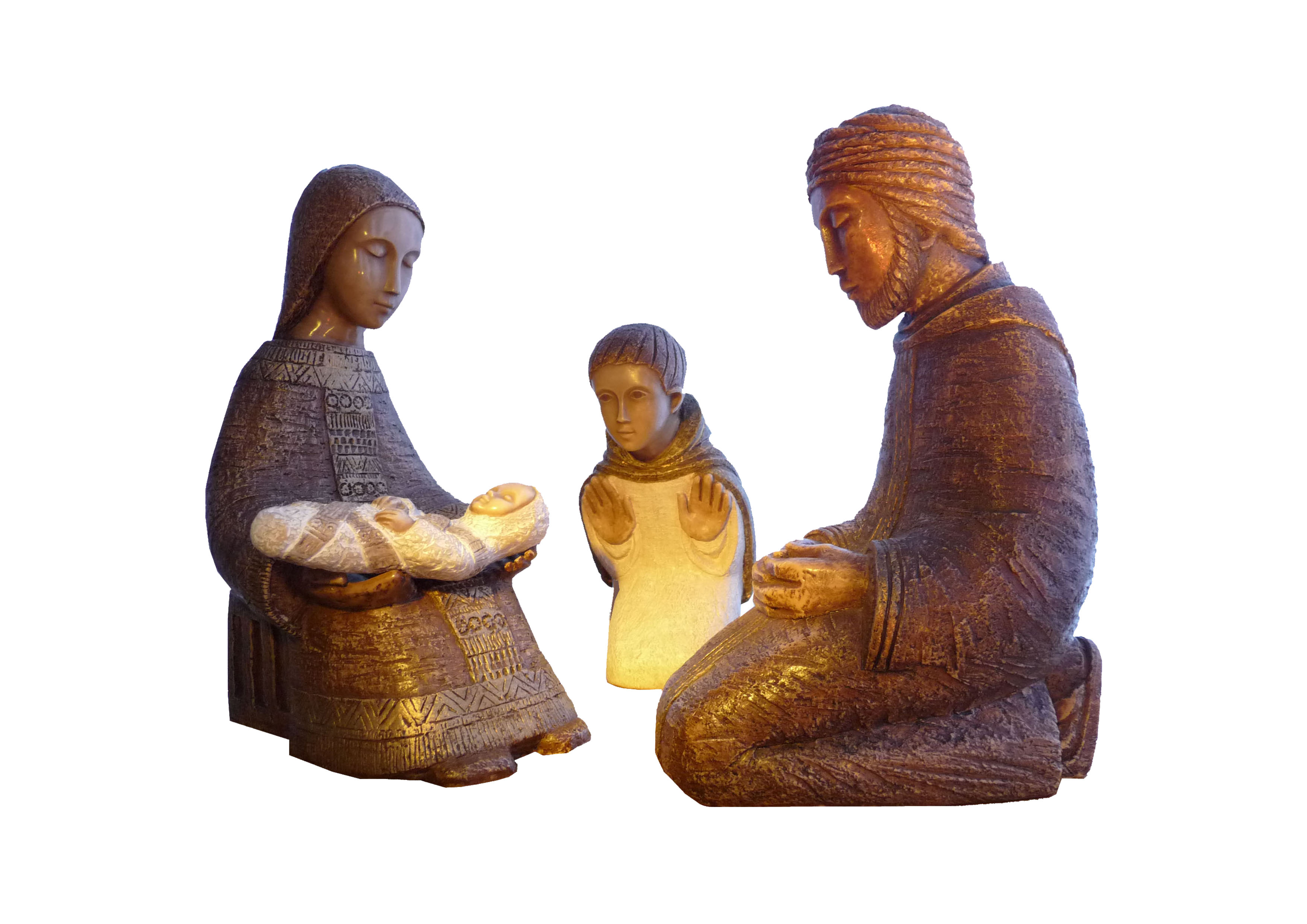 However, some Christians express devotion by avoiding all celebration. Others find such a sacred significance in Christmas that its commercialization and secularization can be not only disrespectful, but painful. Still others who identify as Christian will refuse to buy at your store unless they receive an explicit Christmas greeting.
At this late date, you and your organization have already decided your course for the 2010 holidays. Your plans and practices will have been, or will be, more or less inclusive. But it’s never too late to add or expand one element of powerful practice to holiday time in your workplace. That is, the element of reciprocity.
Mutual Respect
Christians received this as an edict from Jesus: “So whatsoever you wish that others would do unto you, do also unto them, for this is the law and the prophets” (from the Sermon on the Mount). There are corresponding ethics of reciprocity in almost all religions, from B’hai to Zorastrianism, and in philosophical systems from the ancients to post-moderns. There are scores of ways to say the same thing.
The Indian greeting, Namaste, offers a path to put this ethic into action. Loosely translated, Namaste means, “The divine in me honors the divine in you.” In other words, it is never too late to presume good will or to show it. It’s never too late to give others the dignity and respect we desire for ourselves.
This holiday season, take time to listen; to hear and to learn about what’s most important to those with whom you live and work. Think about what’s most important to you and how you might share that in ways that honor yourself and others. These simple practices of engaging in real relationship across boundaries may just help you begin, rebuild or reinforce the foundations you will need to accomplish shared objectives in the coming year.
Downloads of additional winter holiday articles are available as resources from Jody Alyn Consulting.
Leave a Reply
